

Which Coffee Beans Should You Buy for Your Coffee Style at Home?
Buying coffee beans shouldn’t feel confusing or intimidating, but it often does especially when you’re new to the coffee-at-home community. You walk into a shop or scroll online and suddenly you’re faced with words like single origin, light roast, acidity, and processing method. If all you want is a good cup of coffee at home, it can feel like a lot.
When it comes to choosing the right coffee beans, it really comes down to how you like to drink your coffee. Whether you love a milky latte or a strong black coffee to kick-start your day, the right beans will make your coffee taste better with less effort.
This guide breaks it all down in simple terms, so you can confidently buy beans that suit your taste and your brew style at home.
First Things First: A Few Coffee Bean Basics
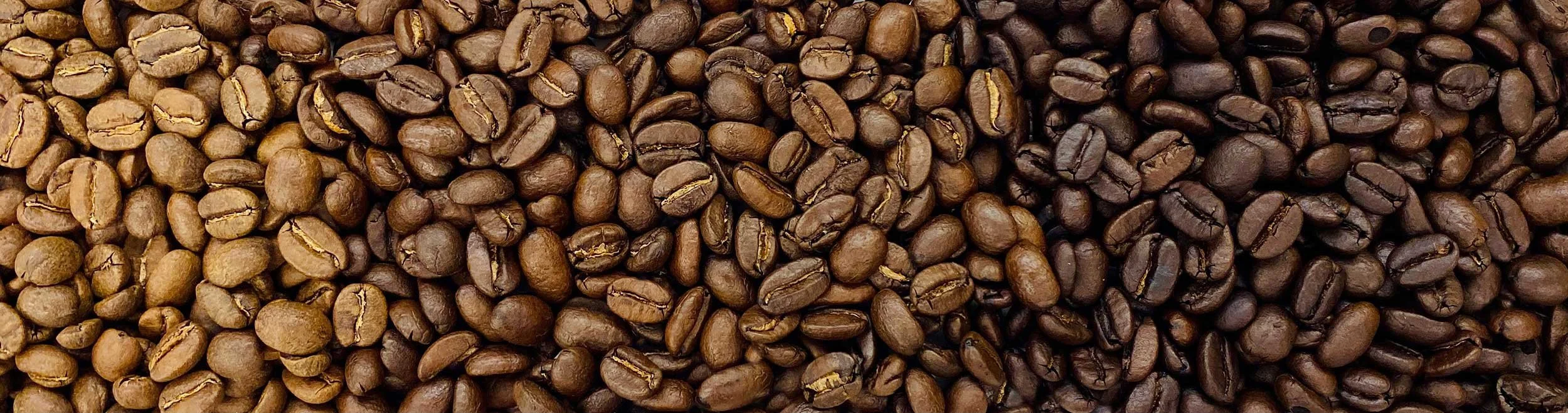
Most coffee you’ll buy is Arabica, which tends to be smoother and easier to drink. Some blends include Robusta, which has more caffeine and a stronger, more bitter taste often used in classic espresso blends.
Roast level matters more than anything else:
Light roasts are brighter and more fruity
Medium roasts are balanced and crowd-pleasing
Dark roasts are bold, chocolatey, and bitter
There’s no “better” roast, just what works best for the way you drink your coffee, so let’s get into the details.
The Best Coffee Beans for Milk-Based Coffees
Milk changes coffee a lot. It softens sharp flavours and brings out sweetness, which means some beans work better than others once milk is added.
Flat Whites

Flat white at Timber Cafe
Flat whites are all about balance. You want the coffee to still taste like coffee, not disappear under the milk.
What works best:
Medium to medium-dark roasts
Beans with chocolate, caramel, or nutty flavours
Espresso blends or easygoing single origins
Coffees from Brazil or Colombia are great for flat whites. They’re smooth, not too acidic, and very forgiving at home.
Cappuccinos

Cappuccinos at Timber Cafe
Cappuccinos have more foam and a stronger coffee hit, so they can handle slightly bolder beans.
Look for:
Medium-dark or dark roasts
Rich, full-bodied coffees
Espresso blends (even ones with a bit of Robusta if you like a kick)
If you enjoy that classic café cappuccino taste, darker roasts with cocoa and toasted nut flavours are the best bet.
Lattes

Latte at Timber Cafe
Lattes have the most milk, which means subtle coffees can get lost.
Best choices for lattes:
Medium-dark to dark roasts
Low-acid, smooth beans
Chocolatey and sweet profiles
Beans from Brazil, Peru, or Sumatra tend to shine in lattes. Very light roasts usually don’t work well, they can taste thin or sour once milk is added.
The Best Coffee Beans for Black Coffee
Black coffee doesn’t hide anything. What you taste is the bean itself, so quality and freshness really matter.
Espresso (No Milk)
Straight espresso should be smooth and balanced, not harsh.
Good options include:
Medium or medium-dark roasts
Balanced blends or approachable single origins
Low to medium acidity
Coffees from Colombia, Honduras, and Brazil are popular because they’re sweet, rounded, and easy to enjoy without milk.
Long Black / Americano
When you add hot water to espresso, harsh flavors become more obvious, so sweetness is key.
What to look for:
Medium roasts
Beans described as smooth or sweet
Low bitterness
Central American coffees are excellent here, they’re clean, comforting, and great for everyday drinking.
Filter Coffee (Pour-Over, V60, Chemex)
Filter coffee is where lighter roasts really shine. If you enjoy noticing different flavors, this is the place to explore.
Best beans for filter coffee:
Light to medium roasts
Single-origin coffees
Freshly roasted beans
Coffees from Ethiopia, Kenya, and Rwanda often taste fruity, floral, or tea-like. If you’ve ever had a filter coffee that surprised you, it was probably from one of these regions.
Drip Coffee
Drip machines are practical and forgiving, which makes them perfect for everyday use.
Best beans for drip:
Medium roasts
Balanced, familiar flavors
Low to medium acidity
Beans from Colombia, Brazil, and Costa Rica are reliable choices and easy to drink cup after cup.
Fresh Beans Make a Bigger Difference Than Fancy Gear
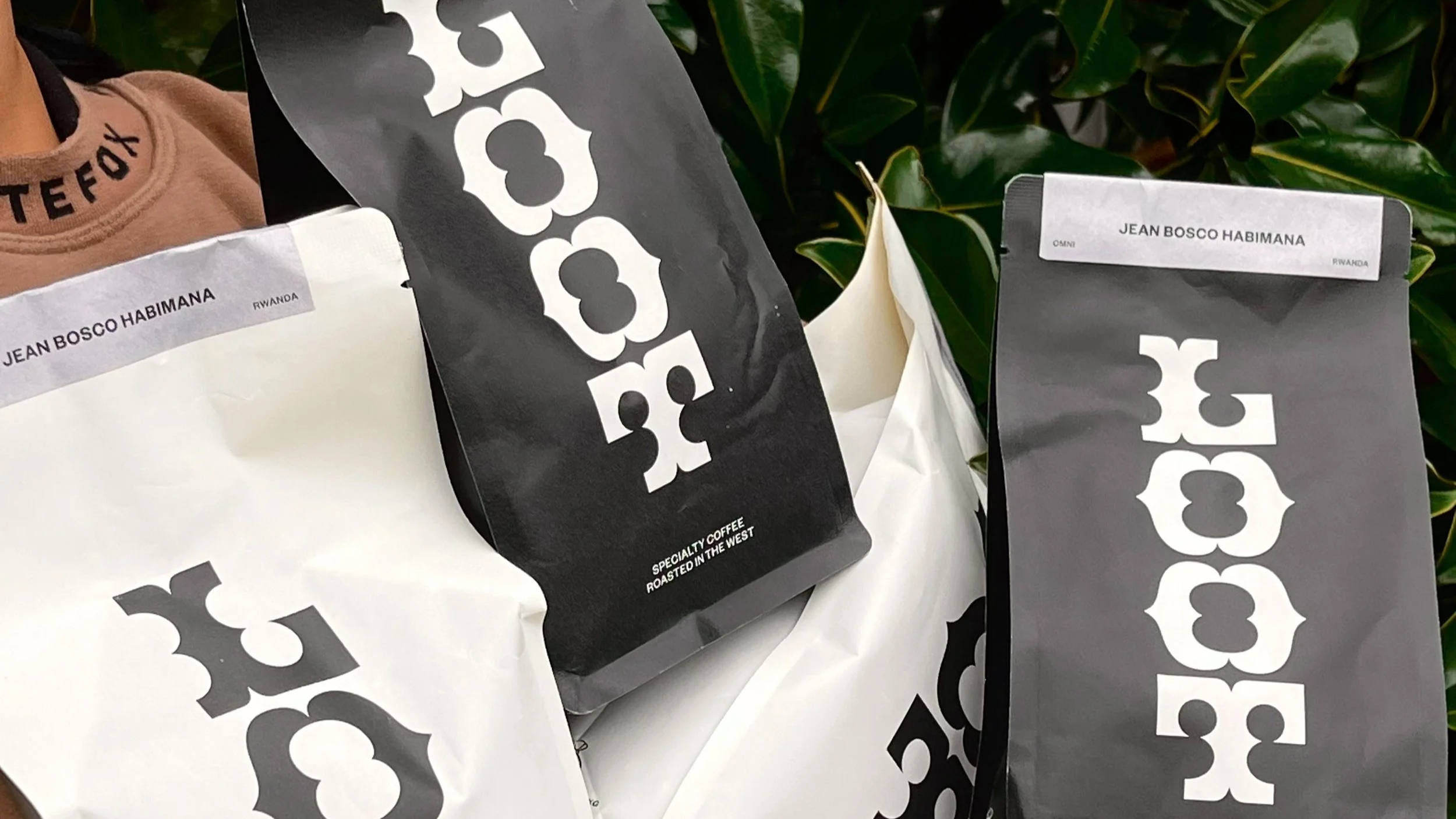
Espresso beans by Loot Specialty Coffee
You don’t need an expensive machine to make good coffee, but fresh beans matter.
When buying coffee, check for:
A roast date (not just a best-before date)
Beans roasted within the last 2–4 weeks
Whole beans rather than pre-ground, if possible
Old coffee loses its sweetness and aroma, no matter how good it once was.
Simple Storage and Grinding Tips
A few small habits go a long way:
Use a burr grinder if you can
Store beans in an airtight container
Keep them away from heat, light, and moisture
Skip the fridge — it usually does more harm than good
These basics help your coffee taste better without extra effort.
Drink What You Enjoy
At the end of the day, the best coffee beans are the ones that make your coffee enjoyable. Milk drinks usually taste better with medium to dark roasts that are rich and comforting. Black coffee often rewards lighter roasts that show more character.
There’s no right or wrong choice, just what suits your taste and your routine. Start simple, pay attention to what you enjoy, and adjust from there. Good coffee at home doesn’t need to be complicated, it just needs to feel right in your cup.
At Timber Cafe, we offer a variety of beans for every style of coffee preference. From light roasts for long blacks, filter brews and espressos, to darker roasts for milky goodness, we have it all. If you find yourself in Harrisdale looking for a cosy coffee spot, come for a coffee and stay a while.