

How to Store and Grind Coffee Beans at Home
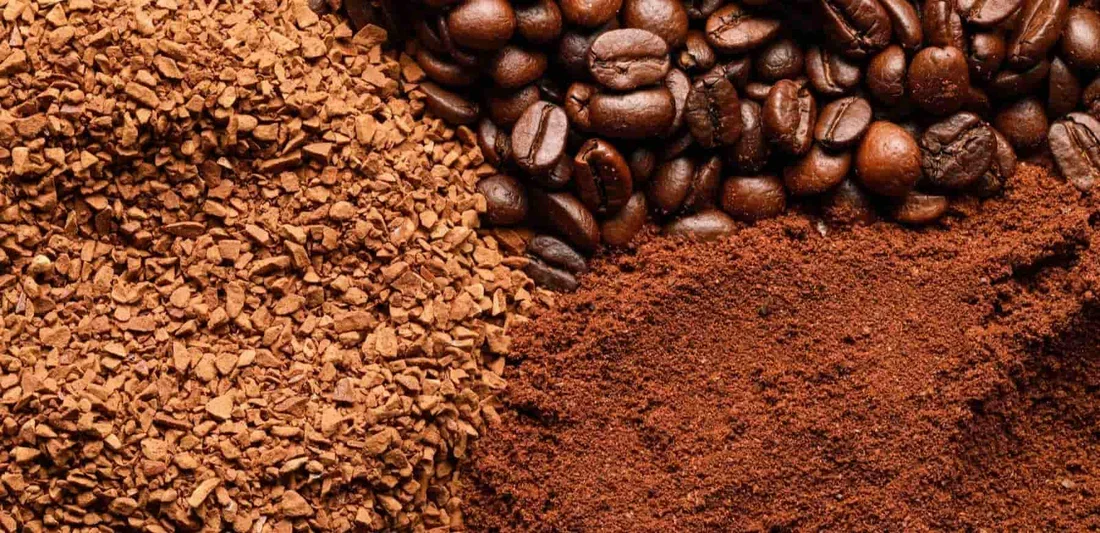
Whole coffee beans and ground coffee beans
You can buy great coffee beans and still end up with a disappointing cup if they’re not stored or ground properly. The good news? You don’t need expensive gear or complicated routines to fix this. A few simple habits will help your coffee taste fresher, sweeter, and more consistent, without adding stress to your morning.
This guide is for everyday coffee drinkers. No jargon, no perfectionism. Just clear, practical advice that actually makes a difference at home.
Why storage and grinding matter more than you think: Fresh is best
Think of coffee like bread: fresh is best, and how you store it matters just as much as where you bought it.
Coffee beans are full of natural oils and aromas. Once they’re exposed to air, light, heat, or moisture, those good flavors slowly disappear. Grinding coffee speeds this up even more, which is why freshly ground coffee almost always tastes better.
Grinding coffee at home: Keep it simple
Why grinding fresh is worth it
When coffee is ground, it starts losing flavor almost immediately. Pre-ground coffee isn’t “bad,” but it will never taste as lively or sweet as freshly ground beans.
Grinding just before brewing helps you get:
Better aroma
More sweetness
Less bitterness
A cleaner, fresher taste
Even a basic grinder can make a noticeable difference.
Why burr grinders are better (and not as fancy as they sound)
You’ll often hear people say, “Use a burr grinder if you can,” and there’s a good reason for that.
Burr grinders crush beans evenly, while blade grinders chop them randomly. Uneven coffee grounds lead to uneven brewing — some bits over-extract and taste bitter, while others under-extract and taste sour.
A burr grinder gives you:
More consistent flavor
Better control over grind size
Less bitterness
You don’t need a high-end model. Even an entry-level burr grinder is a solid upgrade and will last for years.
Matching grind size to your brewing method
You don’t need to obsess over grind charts, but matching the grind to your coffee style helps a lot.
Espresso: Fine grind (like table salt)
Filter / Pour-over: Medium-fine grind
Drip coffee: Medium grind
French press: Coarse grind (like breadcrumbs)
If your coffee tastes bitter, your grind might be too fine. If it tastes weak or sour, it might be too coarse. Small adjustments go a long way. Refer to your grinder user manual for adjustments.
Storing coffee beans the right way
Air is the biggest enemy
Once coffee is roasted, it slowly reacts with oxygen. This process dulls flavor over time, which is why exposure to air is the number one thing to avoid.
That’s why an airtight container is so important.
Good storage containers:
Seal tightly
Are easy to open and close
Don’t let air sneak in
You don’t need anything fancy, just something that keeps air out consistently.
Keep beans away from sunlight and heat
Light and heat speed up flavor loss. Leaving coffee beans on the kitchen counter in a clear jar might look nice, but it’s not doing your coffee any favors.
Best places to store coffee:
A cupboard or pantry
Away from the oven or kettle
Out of direct sunlight
If your container is clear, keep it in a dark spot.
Moisture is a silent coffee killer
Coffee absorbs moisture easily, which can ruin flavor and cause stale or flat tastes.
That’s why it’s best to:
Keep coffee away from sinks and dishwashers
Avoid humid areas
Always seal the container properly
Moisture is also the reason the fridge is usually a bad idea.
Why you should’t store coffee beans in the fridge (most of the time)
Storing coffee in the fridge sounds logical, it’s cool, right? Unfortunately, it causes more problems than it solves.
Why the fridge isn’t ideal:
Coffee absorbs food smells
Condensation forms when beans warm up
Moisture damages flavor
Every time you take beans in and out, you risk introducing moisture. For daily use, room temperature storage in an airtight container is almost always better.
What about storing coffee beans in the freezer?
Freezing coffee can work only if done properly, but it’s not necessary for most people.
Freezing might make sense if:
You bought a large amount of coffee
The beans are vacuum-sealed
You won’t open the bag until needed
For everyday home use, freezing often adds more hassle than benefit. Buying smaller amounts of fresh beans is usually the simpler option.
How much coffee should you buy at once?
A good rule of thumb is to buy enough coffee for 2–3 weeks.
This keeps your beans:
Fresh
Flavorful
Easy to manage
Buying massive bags might save money, but the coffee often goes stale before you finish it. Freshness beats quantity every time.
Whole-beans VS. Pre-ground beans
Whole beans are best, but only if you’ll actually grind them. If pre-ground coffee fits your routine better, that’s okay. The most important thing is consistency and enjoyment.
If you do buy pre-ground:
Store it extra carefully
Keep it airtight
Use it sooner rather than later
Good coffee habits should fit your life, not complicate it.
Simple habits that make a big difference
Here’s a quick recap of the basics that really matter:
Use a burr grinder if you can
Grind coffee just before brewing
Store beans in an airtight container
Keep them away from heat, light, and moistureSkip the fridge for daily use
These small steps improve your coffee without needing expensive equipment or expert knowledge.
Final thoughts: Good coffee shouldn’t be that complicated
Making better coffee at home isn’t about chasing perfection. It’s about avoiding the few things that quietly ruin flavour.
Fresh beans, sensible storage, and a decent grind will improve almost any coffee, whether you’re making a latte, a long black, or a simple drip brew before work.
Do the basics well, keep it simple, and enjoy the process. That’s where good coffee really starts.
Otherwise, visit Timber Cafe and our baristas can help you choose the right coffee beans for your home brewing style, and teach you how to care for your golden cup of morning juice. We have a selection of whole-beans from Grand Central Coffee that are perfect for all coffee preferences: from single origin beans for espressos and long blacks, to filter beans for batch brews and drip, and even our own Timber house blend perfect for smooth and milky coffees.
Open 7AM-2PM daily in Harrisdale, come for a coffee and stay a while.